
World Wildlife Day 2024
Connecting People and Planet: Exploring Digital Innovation in Wildlife Conservation
Embracing Digital Frontiers in African Wildlife Conservation
As we celebrate World Wildlife Day 3rd March 2024, this year’s focus is – “Connecting People and Planet: Exploring Digital Innovation in Wildlife Conservation.” At STS, we spotlight the transformative role of digital technology in safeguarding the rich biodiversity of endangered African wildlife. By pioneering digital advancements, we’re not just adopting new tools; we’re reimagining wildlife conservation for the 21st century, ensuring the protection and preservation of Africa’s unique wildlife heritage.
Bridging Connections: Digital Fundraising and Global Awareness
Digital Platforms: Uniting Global Supporters
In the realm of African wildlife conservation, digital platforms have revolutionised how we connect with supporters across the globe. Through social media, digital communication, and virtual events, Saving The Survivors shares the poignant stories of endangered species, rallying unprecedented support. Our innovative fundraising initiatives, including the launch of an NFT art series that travelled to space, epitomise the cutting-edge of digital engagement. This not only captivates the global imagination but also garners essential funding for on-the-ground conservation efforts, benefiting immensely from digital technology advancements.
How to Support Wildlife Rehabilitation in Africa
Your participation is crucial. Every donation, share, and word of encouragement directly contributes to our mission. To support wildlife rehabilitation in Africa, explore our website, click the button on this page to donate to African wildlife conservation, and join us in making a tangible difference.
Technological Guardians: AI and Connectivity in Conservation
AI Tracking Collars: The New Guardians of the Wild
Among our most innovative tools against poaching and habitat loss are AI-powered tracking collars. These devices, armed with machine learning, act as intelligent sentinels, monitoring the behaviours of animals and alerting Rangers to any anomalies. This technology has revolutionised our monitoring capabilities, ensuring proactive protection for endangered African wildlife.
Enhancing Bush Connectivity: Digital Conservation Networks
The challenging terrains of the African bush have long hindered conservation efforts. However, advancements in digital connectivity have transformed these areas into active conservation hubs. Enhanced communication networks enable our teams to share and analyse real-time data, coordinate efforts efficiently, and respond swiftly to threats, ensuring comprehensive coverage of conservation activities, even in the most remote locations.
Satellite Imagery and Recognition Cameras: Eyes on the Conservation
Satellite Tracking: Monitoring from Above
Satellite imagery and tracking technologies offer invaluable perspectives on wildlife movements and habitat changes, providing insights essential for adaptive conservation strategies. This “eye in the sky” allows us to observe environmental changes, water sources, and migration patterns, adapting our efforts in real-time to effectively preserve biodiversity.
Recognition Cameras: The Future of Wildlife Monitoring
Employing recognition camera technology, we move beyond traditional motion detection. These advanced systems can identify individual animals as well as humans, playing a crucial role in monitoring endangered species’ populations, health, and breeding patterns without invasive methods. It represents a significant leap forward in non-invasive wildlife conservation practices.
United for a Cause: Join Us in Preserving African Wildlife
As we embrace World Wildlife Day 2024, it’s clear that digital innovation lies at the heart of contemporary wildlife conservation. At Saving The Survivors, we’re proud to lead this digital revolution, using technology not just as a tool, but as a bridge connecting people with the planet.
Our dedication to integrating digital innovations into our conservation and fundraising efforts is steadfast, driven by the conviction that technology is key to preserving African wildlife for future generations.
This journey of digital conservation, fuelled by passion and commitment, is made possible by YOUR support. Every contribution you make is instrumental in our ongoing fight to save these survivors.
Stand with us—your generosity can make all the difference. Donate today, click the button on this page, and join us in this crucial cause on World Wildlife Day 2024. Together, with the power of digital technology and our global community’s support, we can ensure a bright future for African wildlife conservation.


MORE BUSH JOURNAL
Tracking Giants
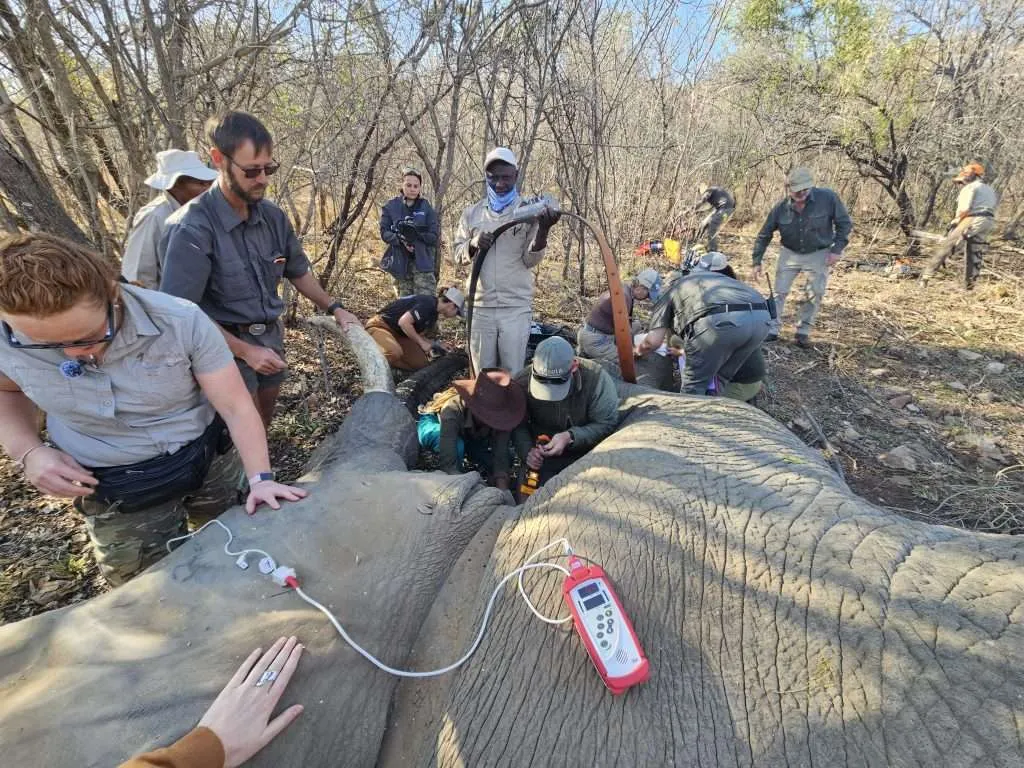
New Technology Helps Protect Elephant Bulls Saving the Survivors has recently supported the re-collaring of two elephant bulls — one subadult and one mature — using state-of-the-art Rouxcel tracking collars. The intervention forms part of our ongoing commitment to combining veterinary expertise, field conservation and innovative technology to better understand and protect Africa’s wildlife. The … Continued

World Elephant Day 2026
Protecting Africa’s Gentle Giants Today, on World Elephant Day, Saving the Survivors celebrates one of the most extraordinary and iconic animals to walk our planet — the elephant. Elephants have always held a very special place in the work of Saving the Survivors. Over the years, our veterinary teams have worked with countless elephants across … Continued

Technology Helping Pangolins Thrive in the Wild
Every successful wildlife release marks the beginning of a new chapter, but ensuring an animal continues to thrive in the wild requires ongoing monitoring. For species as vulnerable as the pangolin, every check-up provides invaluable insight into the success of their rehabilitation and release. Recently, the Saving The Survivors team returned to the field to … Continued

Strengthening the Future of White Rhinos Through Genetic Conservation
Saving the Survivors, in partnership with the Veterinary Conservation Coalition (VCC), has successfully completed the translocation of several White rhino cows to a South African reserve where no new genetics had been introduced for more than 20 years. Although moving rhinos is a complex and carefully planned operation, this project was about much more than … Continued

Innocent Victim:
White Rhino Saved After Devastating Snare Injury Every snare tells a tragic story. Not because it catches the animal it was intended for, but because it so often catches those it was never meant to. This adult White rhinoceros cow became one of those innocent victims. When our veterinary team located her, she was suffering … Continued

Nature's Medicine at Work
A Remarkable Rhino Recovery A few weeks ago, we shared the story of a Southern White Rhino mother suffering from a significant wound to her hindquarters, most likely caused by the horn of an overenthusiastic bull. At the time, the injury was extensive and vulnerable to infection. In the harsh conditions of the African bush, … Continued

Big Ben's Battle Scars:
An Unusual Treatment for an Extraordinary Patient Life for a dominant bull rhino is rarely peaceful. For Big Ben, one of the area’s largest and most powerful white rhinos, a recent territorial dispute left him with a significant facial wound. Like many mature bulls, Big Ben regularly encounters rivals competing for territory, breeding rights, and … Continued

A Rhino, An Elephant and a Race Against Time
At Saving the Survivors, no two wildlife interventions are ever the same. Recently, our veterinary team was called to assist a White Rhino cow suffering from a severely damaged horn. While injuries to horns can appear straightforward at first glance, they often require careful assessment and treatment to prevent complications and ensure the animal’s long-term … Continued

Monitoring One of Africa’s Most Vulnerable Predators
Saving the Survivors recently carried out an important conservation intervention involving an adult male cheetah living on a protected property where a coalition of males was successfully introduced by Saving the Survivors and the Veterinary Conservation Coalition in 2025. As part of our ongoing monitoring and conservation work, the cheetah was carefully immobilised by our … Continued

Hope Continues Her Frontline Mission Protecting Wildlife
At Saving the Survivors, every success story is built on the support of people who believe wildlife is worth protecting. Hope, one of our anti-poaching K9s, is a perfect example of what that support can achieve. Thanks to the generosity of our supporters, Hope was purchased, trained, and deployed to help protect wildlife on the … Continued

A Mother’s Strength in the African Bush
Out in the African bush, survival is never easy. Every day brings new challenges, and even the strongest animals can suffer painful injuries in the wild. Recently, the veterinary team from Saving the Survivors responded to help a Southern White Rhino cow found with a significant wound to her back leg, most likely caused by … Continued

Eight Years On:
A Story of Strength, Survival, and Hope Eight years ago, a magnificent adult bull elephant suffered a fracture to his left front limb — an injury that could easily have marked the end of his journey. But this elephant endured. Recently, our Founder and Head Veterinarian, Dr Johan Marais, returned with the Saving the Survivors … Continued

